
Advanced Ultraviolet Disinfection and Ultrafiltration Technologies for Microbiological Safety and Superior Water Quality
Advanced Disinfection Technology for Pathogen-Free Water
MJM uses special low-pressure mercury vapor lamps to produce ultraviolet radiation at 254 nm, the optimal wavelength for disinfection and ozone destruction. Our systems are capable of striking bacteria, algae, fungi, and protozoa and rendering them harmless.
The UV units are built with high efficiency UV lamps surrounded by quartz glass sleeves to isolate the bulbs from water contact, thereby preventing thermal shock, glass breakage, and mercury contamination. The sleeves also ensure very high transmission of UV energy with minimal losses.
The bulb with sleeves is accommodated in precision engineered stainless steel vessels. A wiper assembly is provided for periodic cleaning of quartz glass for all models (optional). An electronic ballast operating on 230V, single phase, 50 Hz triggers the UV bulb and ensures minimum power consumption.
Key Benefits of Ultraviolet Water Disinfection
Destroys 99.99% of harmful microorganisms including bacteria, viruses, cysts, and parasites without adding chemicals to water.
UV treatment doesn't introduce any chemicals to water, avoiding chemical byproducts and maintaining water's natural taste.
Low energy consumption with electronic ballasts that ensure optimal UV output while minimizing power usage.
Quartz glass sleeves isolate UV lamps from water, preventing thermal shock and mercury contamination risks.
Provides instant disinfection with no contact time required, allowing for continuous water flow and treatment.
Minimal maintenance required with easy-access wiper systems for quartz sleeve cleaning and annual lamp replacement.
Technical Specifications for MJM UV Systems (All dimensions in mm)
| MODEL | A | B | C | D | E | F | G | H |
|---|---|---|---|---|---|---|---|---|
| MJM 128 | - | - | 370 | 40 | 45 | 200 | 80 | 80 |
| MJM 1815 | 240 | 100 | 240 | 75 | 110 | 200 | 80 | 80 |
| MJM 1825 | 240 | 100 | 240 | 75 | 110 | 200 | 80 | 80 |
| MJM 30 | 485 | 100 | 485 | 75 | 110 | 200 | 80 | 80 |
| MJM 36 | 485 | 1 | 485 | 140 | 140 | 200 | 1 | 1 |
| MJM 3675 | 485 | 100 | 485 | 75 | 110 | 200 | 100 | 1 |
| MJM 3680 | 485 | 1 | 485 | 140 | 140 | 200 | 100 | 1 |
| MJM 3690 | 485 | 190 | 485 | 170 | 170 | 200 | 100 | 1 |
| MJM 320 | 485 | 190 | 485 | 170 | 170 | 200 | 100 | 1 |
| MJM 320* | 485 | 240 | 485 | 220 | 220 | - | 100 | 300 |
Capacity: 0.25-100 m³/hr in online & open tank configurations from 100 m³/hr
Advanced Membrane Filtration for Superior Water Quality
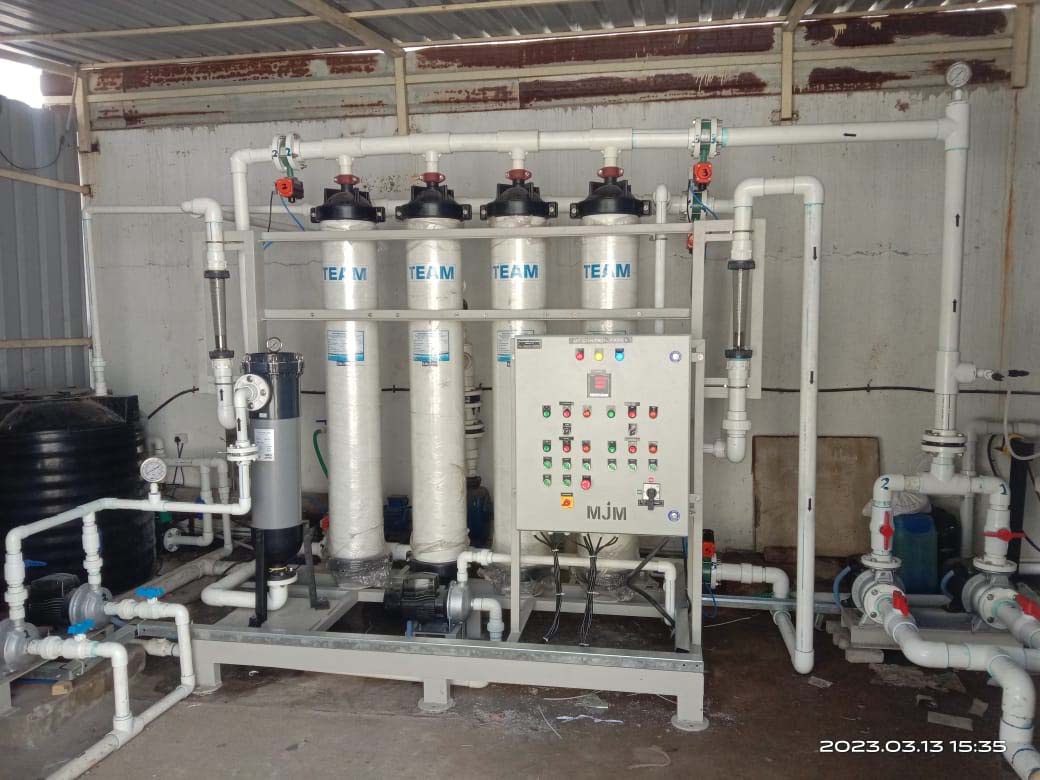
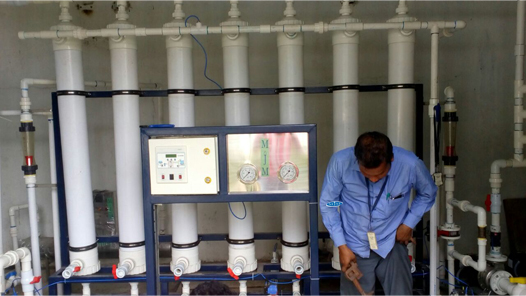
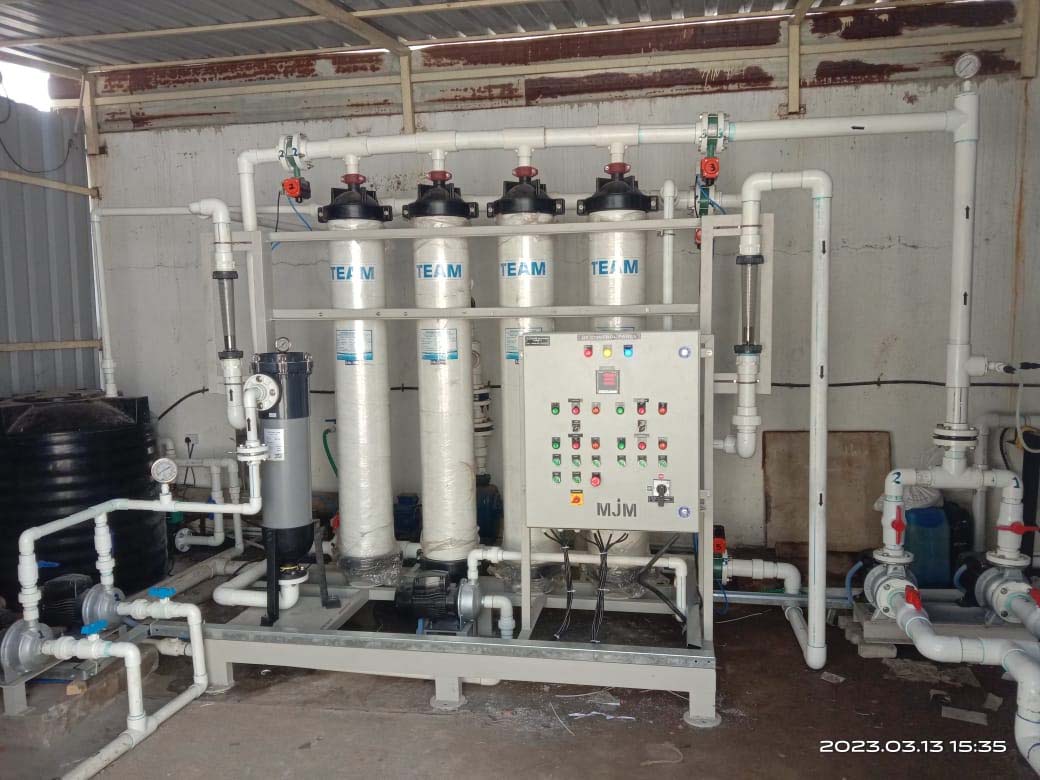
MJM Ultrafiltration system (UFs) is a separation process using membranes with pore sizes in the range of 0.1 to 0.001 micron. The UF membranes remove high molecular-weight substances, colloidal material, and organic and inorganic polymeric molecules.
With only high-molecular weight contaminants removed, the osmotic pressure differential across the UF membrane surface is negligible. Low applied pressures are therefore sufficient to achieve high flux rates from Ultrafiltration membranes.
Our UF systems offer capacities from 0.5 to 200 m³/hr, making them suitable for both small-scale and large industrial applications. The systems operate at low pressure while maintaining high filtration efficiency and consistent water quality.
Versatile Applications for Ultrafiltration Technology
Municipal and community drinking water treatment for removal of pathogens and particulates.
Process water treatment for various industries requiring high-purity water.
Tertiary treatment of wastewater for reuse in irrigation, cooling, or industrial processes.
Water treatment for beverage production including bottling plants and breweries.
Production of ultrapure water for pharmaceutical manufacturing and laboratory use.
Ultrapure water production for semiconductor manufacturing and electronics industry.
Water treatment for hospitals, dialysis centers, and medical equipment.
Water filtration for swimming pools, spas, and recreational water facilities.
Understanding Different Water Treatment Approaches
Comprehensive Specifications for UV & UF Systems